
Urology
Patient-Focused
Serving the Western New York community since 1990
The first privately owned multi-specialty surgery Center in Western New York
Accredited By
Accreditation Association for Ambulatory Health Care, Inc
Urology Procedures at Buffalo Ambulatory Surgery Center
Buffalo Ambulatory Surgery Center provides an outpatient surgical setting for a variety of urologic procedures involving the kidneys, ureters, bladder, urinary tract, and male reproductive system. Procedures are performed by credentialed urologists and supported by our experienced surgical team.
The specific procedure and treatment plan are determined by the patient’s urologist based on the patient’s condition, symptoms, diagnostic findings, and individual medical needs.
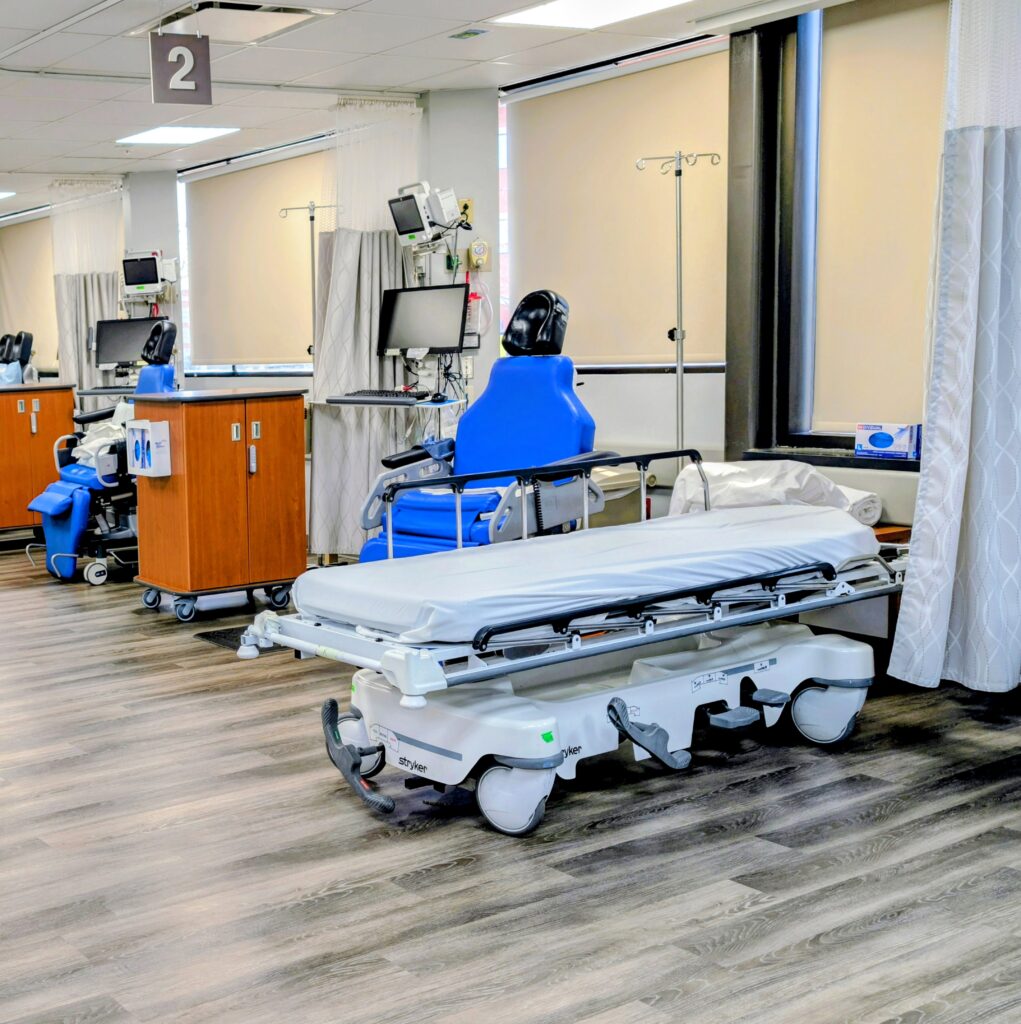
Meet Your Buffalo Ambulatory Surgery Center Urology Team

Kent Chevli, MD
Chief of Urology
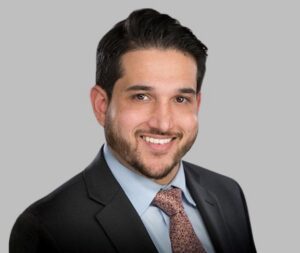
Eric Chevli, MD

John M. Rutkowski, MD
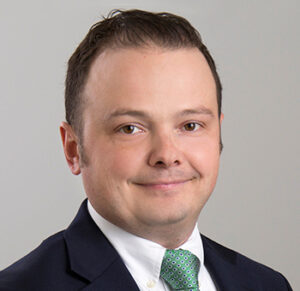
Michael I. Hanzly, Jr., DO
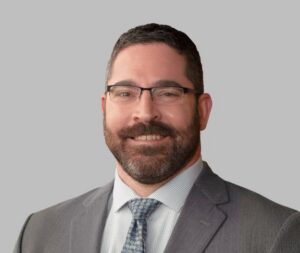
John J. Bodkin, III, MD

Valerie L. Burkhard, MD

Christopher J. Skomra, MD
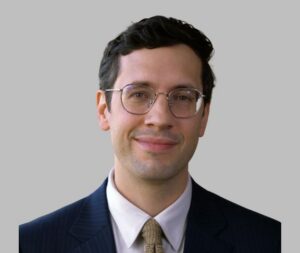
John S. Barlog, MD

Max J. Roehmholdt, MD
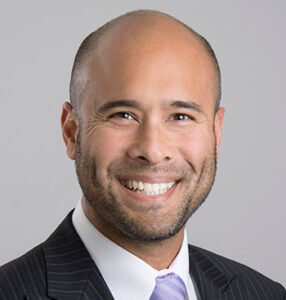
Brian D. Rambarran, MD

Phillip J. Seereiter, Jr., M.D.

Jeffrey A. Spencer, M.D.
Urology Procedures
Kidney & Ureter Procedures
Ureteroscopy (Rigid or Flexible)
Ureteroscopy is a minimally invasive procedure that uses a small scope passed through the urinary tract to examine the ureter, the tube connecting the kidney to the bladder. The procedure may also be used to locate, treat, and remove kidney or ureteral stones.
Ureteral Stent Insertion, Exchange or Removal
A ureteral stent is a small, flexible tube placed within the ureter to help urine flow from the kidney to the bladder. Depending on the patient’s treatment plan, a stent may be inserted, exchanged, or removed during an outpatient procedure.
Bladder & Cystoscopy Procedures
Cystoscopy
Cystoscopy uses a thin scope with a camera to examine the inside of the urethra and bladder. It may be performed to evaluate urinary symptoms, bleeding, recurrent infections, stones, or other abnormalities.Cystoscopy with Retrograde Pyelogram
This procedure combines cystoscopy with the use of contrast dye and X-ray imaging to evaluate the ureters and portions of the urinary tract. It may help identify stones, narrowing, blockages, or other abnormalities.
Cystoscopy with Bladder Biopsy
During this procedure, a cystoscope is used to examine the bladder and obtain a small tissue sample from an abnormal or suspicious area. The tissue is then sent for laboratory examination.
Cystoscopy with Clot Evacuation and Fulguration
This procedure may be performed when blood clots or areas of bleeding are present within the bladder. A cystoscope is used to remove blood clots and treat areas of bleeding using specialized instruments.
Cystolitholapaxy
Cystolitholapaxy is a minimally invasive procedure used to treat bladder stones. A scope and specialized instruments are passed through the urinary tract to break the stones into smaller pieces so they can be removed.
Transurethral Resection of Bladder Tumor (TURBT)
TURBT is performed through the urinary tract using a specialized scope to remove abnormal tissue or tumors from the bladder. Tissue removed during the procedure may be sent for laboratory examination.
Direct Vision Internal Urethrotomy (DVIU)
DVIU is a minimally invasive procedure used to treat a narrowed area of the urethra, known as a urethral stricture. A small scope is used to identify and open the narrowed area to improve urine flow.
Genital & Testicular Procedures
Orchiectomy
Orchiectomy is the surgical removal of one or both testicles. It may be performed for a variety of medical conditions as determined by the patient’s urologist.
Vasectomy
Vasectomy is a procedure for permanent male contraception. The tubes that carry sperm from the testicles are cut, sealed, or otherwise blocked to prevent sperm from entering the semen.
Circumcision
Circumcision is a surgical procedure to remove the foreskin covering the tip of the penis. It may be performed for medical or other appropriate indications.
Hydrocelectomy
Hydrocelectomy is a surgical procedure used to treat a hydrocele, which is a collection of fluid around the testicle. During the procedure, the fluid-filled sac is removed or repaired.
Spermatocelectomy
Spermatocelectomy is a surgical procedure to remove a spermatocele, a typically benign, fluid-filled cyst that develops near the epididymis above or behind the testicle.
Incontinence & Bladder Control Procedures
Urinary Sling Procedure
A sling procedure provides additional support to the urethra to help reduce certain types of urinary leakage. A supportive material is positioned beneath or around the urethra as part of the procedure.
Sacral Neuromodulation – InterStim® / Axonics® (Stage I & II)
Sacral neuromodulation uses a small implanted device to deliver mild electrical stimulation to the nerves involved in bladder function. Treatment generally involves a trial stage followed by placement of the longer-term device when appropriate.
Cystoscopy with Urethral Dilation
Cystoscopy with dilation may be performed to treat narrowing within the urethra. A scope is used to examine the urinary tract, and specialized instruments are used to gently widen the narrowed area to help improve urine flow.
Suprapubic Tube Insertion (Suprapubic Catheter)
A suprapubic catheter is a urinary drainage tube placed directly into the bladder through a small opening in the lower abdomen. This allows urine to drain without passing through the urethra.
The procedures available at Buffalo Ambulatory Surgery Center depend on the patient’s individual needs and the treatment plan established by their urologist. Our surgical center works with each patient’s urologist and care team to provide the facility, clinical support, and resources needed for their scheduled procedure.
Our Commitment
For more than three decades, Buffalo Ambulatory Surgery Center has been committed to combining clinical excellence with compassionate, patient-centered care. As we continue to grow and expand our services, our focus remains the same: providing a safe, respectful, efficient, and exceptional surgical experience for every patient we serve.