
Corneal Surgery
Patient-Focused
Serving the Western New York community since 1990
The first privately owned multi-specialty surgery Center in Western New York
Accredited By
Accreditation Association for Ambulatory Health Care, Inc
What is the cornea?
The cornea is the clear, dome-shaped surface at the front of the eye that helps focus light and plays an important role in clear vision. Disease, injury, infection, scarring, or changes in the shape of the cornea can interfere with vision.
Corneal surgery may be recommended when other treatments are no longer sufficient to maintain or improve vision. Depending on the condition, surgical treatment may involve repairing or replacing damaged or diseased corneal tissue.
Advances in corneal transplantation allow surgeons, in appropriate cases, to replace only the affected layers of the cornea rather than the entire cornea.

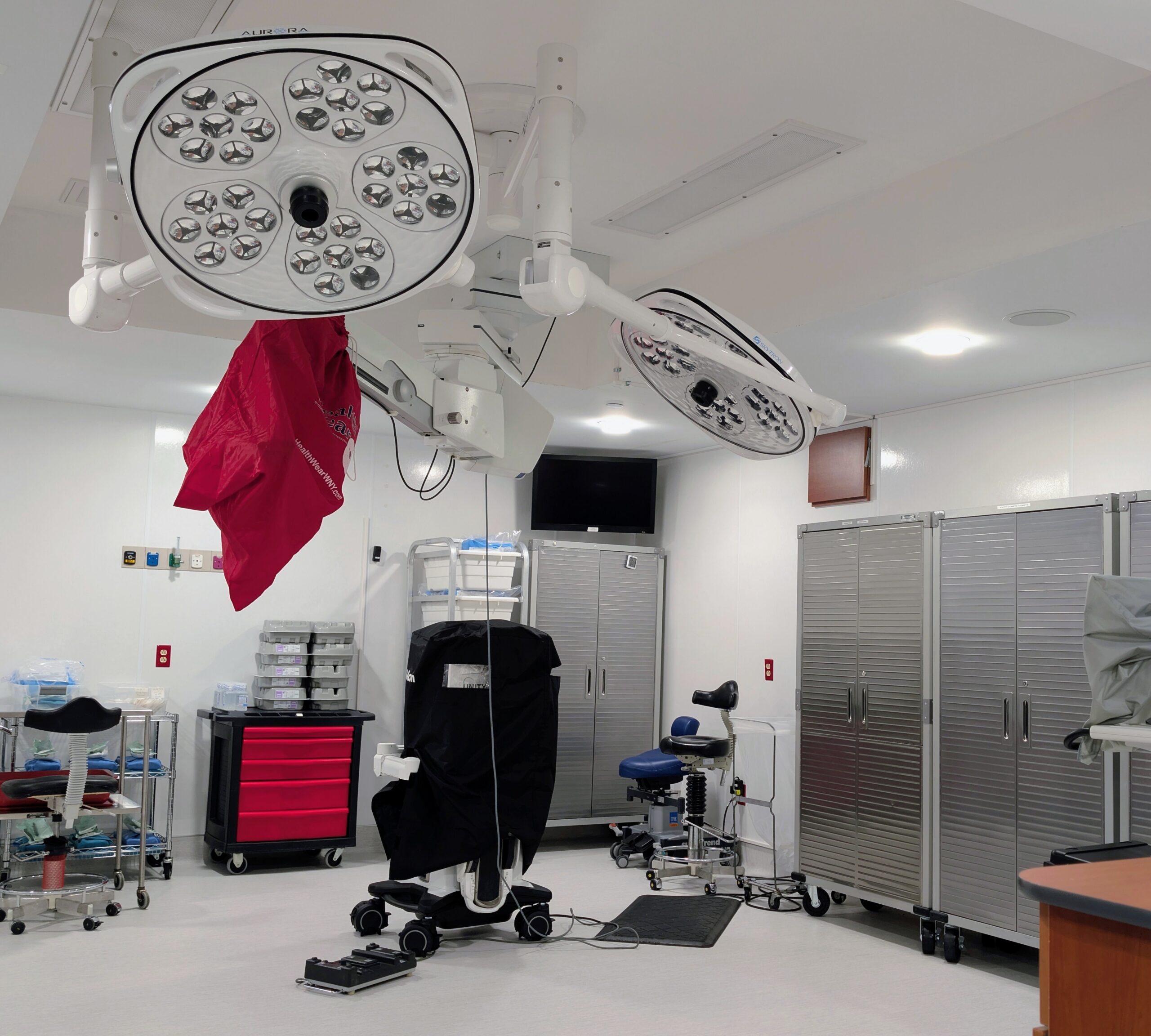
DSEK
Descemet’s Stripping Endothelial Keratoplasty (DSEK) is a partial-thickness corneal transplant used to treat conditions affecting the innermost layers of the cornea, particularly the endothelial cells responsible for keeping the cornea clear.
During DSEK, the damaged inner layers of the patient’s cornea are removed and replaced with healthy donor tissue. Because much of the patient’s natural cornea remains intact, DSEK can offer advantages over a traditional full-thickness corneal transplant for appropriately selected patients.
DSEK may be recommended for conditions such as Fuchs’ endothelial corneal dystrophy and other disorders that cause endothelial dysfunction and corneal swelling.
DMEK
Descemet Membrane Endothelial Keratoplasty (DMEK) is another advanced form of partial-thickness corneal transplantation. DMEK replaces a very thin layer of diseased endothelial tissue with healthy donor tissue.
Because DMEK transplants only the affected innermost layers of the cornea, it preserves the majority of the patient’s natural corneal structure. For appropriate candidates, this highly specialized procedure may provide excellent visual outcomes.
DMEK is commonly used to treat Fuchs’ endothelial corneal dystrophy and other conditions in which the corneal endothelial cells are no longer functioning properly.
Your corneal specialist will determine whether DSEK, DMEK, another type of corneal transplant, or a different treatment is most appropriate based on your diagnosis, the health of your cornea, previous eye surgery, and other individual factors.
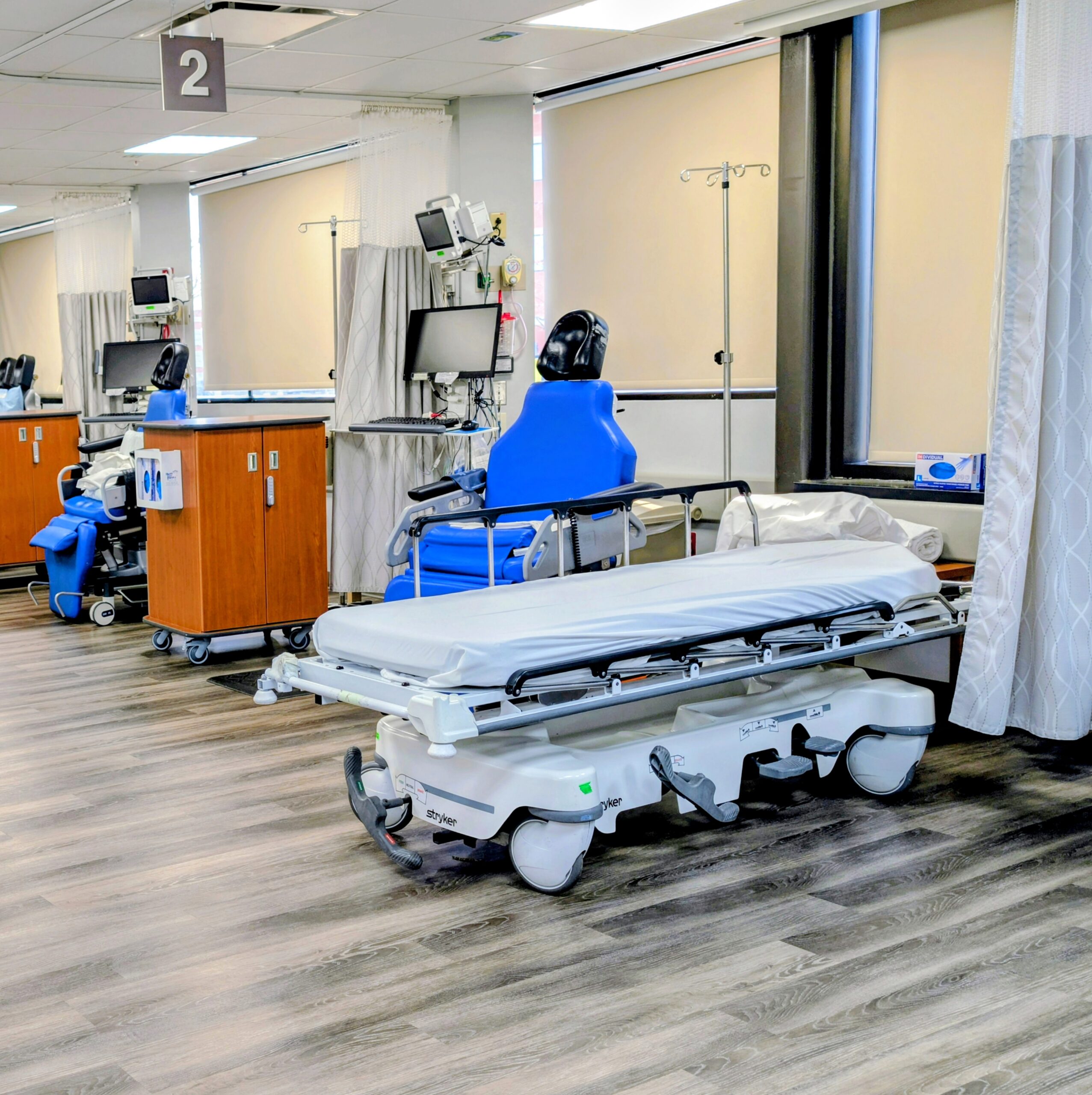
Your Eye Surgery
Every patient’s eyes and vision needs are different. Your ophthalmologist will discuss your diagnosis, treatment options, recommended procedure, expected benefits, potential risks, and recovery with you before surgery.
Our team at Buffalo Ambulatory Surgery Center is committed to making your surgical experience as comfortable, safe, and efficient as possible while providing the high-quality ophthalmic care our patients have come to expect.
Our Commitment
For more than three decades, Buffalo Ambulatory Surgery Center has been committed to combining clinical excellence with compassionate, patient-centered care. As we continue to grow and expand our services, our focus remains the same: providing a safe, respectful, efficient, and exceptional surgical experience for every patient we serve.